



We Accept CDCP
Guaranteed Affordable Dentistry – We Follow the Dental Fee Guide
Are you looking for a reliable, natural-looking way to replace one or more missing teeth in Calgary? Dental bridges offer a proven solution that restores your smile, improves chewing function, and prevents neighboring teeth from shifting. Our skilled dental team at Redstone Family Dental in Calgary, Alberta, provides dental bridges for your unique needs. Our practice is committed to helping families in Calgary and nearby areas achieve complete, healthy smiles through personalized, compassionate care.
Ready to restore your confidence and function? Call 403-815-1818or Request an Appointment to schedule your dental bridge consultation today.
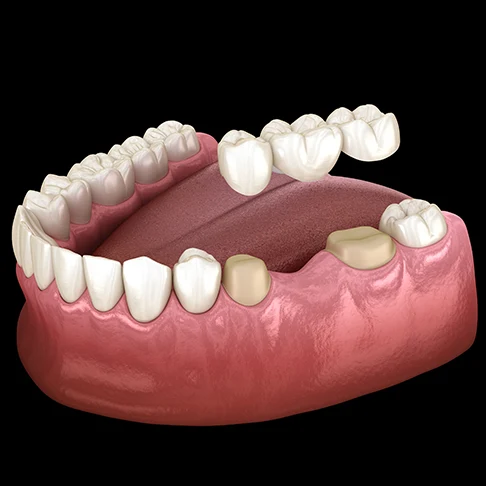
A dental bridge is a fixed dental restoration designed to “bridge” the gap created by one or more missing teeth. It consists of artificial teeth called pontics that fill the empty space, supported by dental crowns or frameworks attached to adjacent natural teeth or dental implants.
The bridge components work together to create a seamless restoration:
Abutment Teeth: The natural teeth or dental implants on either side of the gap that serve as anchors for the bridge.
Crowns or Framework: Depending on the bridge type, dental crowns placed over abutment teeth or a metal/porcelain framework bonded to adjacent teeth.
Unlike removable dentures that can slip or require adhesives, dental bridges are permanently cemented, providing stability and function similar to natural teeth. According to the Canadian Dental Association, bridges have been successfully used for decades to restore smiles and maintain proper bite alignment.
Each type of dental bridge offers unique advantages depending on the missing teeth and the health of the surrounding teeth.
The most common type, traditional bridges, use dental crowns placed on natural teeth on both sides of the gap to support one or more pontics between them. This option is ideal when you have healthy, natural teeth adjacent to the missing tooth space. Traditional bridges are strong enough to replace molars and back teeth that endure significant chewing pressure.
A cantilever bridge is supported by a crown on only one adjacent tooth rather than both sides. This design is functional when only one natural tooth is available next to the gap, such as at the back of the mouth. However, because the bridge is anchored on just one side, it places more force on the supporting tooth and is generally not recommended for areas with heavy chewing pressure.
Also called a resin-bonded bridge, Maryland bridges use a metal or porcelain framework bonded to the back of adjacent teeth rather than requiring full crowns. This conservative approach preserves more natural tooth structure, making it ideal for replacing front teeth. Maryland bridges are less invasive but may not be strong enough for molars or back teeth.
Instead of relying on natural teeth, implant-supported bridges are anchored by dental implants surgically placed in the jawbone. This option is recommended when you have multiple missing teeth in a row or when adjacent teeth aren’t healthy enough to support a traditional bridge. Implant-supported bridges offer superior stability and help prevent jawbone loss.
Replacing missing teeth goes far beyond cosmetic concerns; it is essential for maintaining oral health, facial structure, and overall quality of life.
When a tooth is lost, neighboring teeth naturally drift or tilt into the space. This shifting can lead to bite misalignment, jaw joint problems, and difficulty cleaning between crooked teeth, which increases your risk of decay and gum disease. Dental bridges fill the gap and keep surrounding teeth in their proper positions.
Missing teeth causes the jawbone in that area to deteriorate over time due to a lack of stimulation. This bone loss can result in a sunken facial appearance and premature aging. While traditional bridges don’t prevent bone loss like implants, they help maintain facial contours by supporting surrounding structures.
Gaps in your smile make it challenging to chew certain foods properly, potentially affecting your nutrition and digestive health. Missing teeth can also impact speech, causing lisping or difficulty pronouncing certain sounds. Dental bridges restore nearly normal chewing ability and improve speech clarity, allowing you to eat various foods and communicate confidently.
When teeth are missing, the remaining teeth must absorb extra pressure during chewing, which can lead to excessive wear, cracks, and fractures over time. Bridges distribute bite forces evenly across your dental arch, protecting your remaining natural teeth from damage.
Dental bridges are an excellent tooth replacement option for many people, but determining candidacy requires professional evaluation. You may be a good candidate for dental bridges if you:
Certain conditions may require preliminary care before bridge placement. If you have untreated gum disease, tooth decay in adjacent teeth, or insufficient bone density, these issues must be addressed first. Patients who smoke heavily or have uncontrolled diabetes may experience higher failure rates and should discuss risk factors with their dentist.
If you have significant bone loss and require implant-supported bridges, you may need bone grafting or sinus lift procedures to ensure adequate support for the implants.
Choosing dental bridges offers numerous advantages that improve both your oral health and quality of life. Understanding these benefits helps you appreciate the value of this time-tested restoration.
Modern dental bridges are custom-crafted to match the color, shape, and size of your natural teeth, creating a seamless, beautiful smile. Porcelain and ceramic materials closely mimic the translucency and appearance of tooth enamel, making bridges virtually indistinguishable from your real teeth.
Dental bridges restore your ability to bite and chew comfortably, allowing you to enjoy a balanced, healthy diet. Bridges also fill gaps that affect speech, improving pronunciation and clarity so you can communicate without self-consciousness.
Dental bridges generally cost significantly less upfront than dental implants, making them a more budget-friendly tooth replacement option. While implants may last longer, bridges offer excellent value for patients seeking durable, functional restorations without the higher initial investment.
Beyond aesthetics, bridges prevent problems that occur when teeth are missing. They stop adjacent teeth from drifting into empty spaces, maintain proper tooth alignment, avoid bite problems, and reduce the risk of TMJ disorders. You protect your remaining natural teeth and oral health by immediately addressing tooth loss with bridges.
Explore how our dental crowns work with bridges to create secure, long-lasting restorations, or learn about other tooth-colored restorations we offer.
Understanding each step of the dental bridge procedure helps you feel prepared and confident throughout your treatment.
Your journey begins with a comprehensive consultation where we assess your oral health, discuss your concerns, and determine if a dental bridge is the right solution. We’ll take digital X-rays or 3D scans to evaluate adjacent teeth, bone structure, and gum health. We’ll explain the types of bridges available, review the timeline, and provide a detailed cost estimate.
At your next appointment, we will prepare the abutment teeth that will support your bridge by carefully reshaping them and removing a small amount of enamel to create space for the crowns. The procedure is performed under local anesthesia to ensure your comfort. For Maryland bridges, minimal tooth preparation is needed.
After tooth preparation, we take precise impressions of your teeth using traditional molds or digital scanning technology. While your permanent bridge is being fabricated in our dental laboratory (2-3 weeks), we place a temporary bridge to protect your prepared teeth and maintain aesthetics and function.
Once your permanent bridge is ready, we remove the temporary bridge, clean your prepared teeth thoroughly, and carefully place the permanent bridge to check fit, color, and bite alignment. If any adjustments are needed, we make them on the spot. When everything looks and feels perfect, we permanently cement the bridge in place using dental adhesive.
Our team at Redstone Family Dental prioritizes your comfort and satisfaction throughout the process.
Knowing what to expect during the adjustment period helps ensure a smooth recovery and long-term success with your new dental bridge.
It’s normal to experience slight tenderness, sensitivity to hot or cold foods, and an unfamiliar feeling in your mouth immediately after bridge placement. These sensations generally diminish within the first two weeks as your mouth adapts. During the first few days, stick to soft foods and gradually reintroduce firmer foods as comfort allows. Avoid extremely hard, sticky, or chewy foods that could dislodge or damage your new bridge.
Proper care is essential for the longevity of your bridge. Brush at least twice daily using a soft-bristled toothbrush and fluoride toothpaste, paying special attention to where the bridge meets your gums.
Since regular floss cannot pass under a bridge, use specialized tools like floss threaders, interdental brushes, or water flossers to clean beneath the pontic and remove debris. Use an alcohol-free antibacterial or fluoride mouthwash daily to reduce bacteria.
Schedule regular dental checkups every six months for professional cleanings and examinations. With proper care and maintenance, your dental bridge can provide many years of reliable function.
Understanding the investment required for dental bridges helps you plan financially and appreciate the value this restoration provides.
In Calgary and throughout Alberta, dental bridge costs vary based on bridge type, materials, and case complexity.
Bridge Type | Cost Range (Calgary) |
Traditional 3-Unit Bridge (PFM) | $3,990 – $4,920 |
Traditional 3-Unit Bridge (Porcelain) | $4,200 – $5,000 |
Cantilever Bridge | $2,800 – $4,000 |
Maryland Bridge | $1,500 – $4,000 |
Implant-Supported Bridge | $5,000 – $8,000+ |
Material selection, number of missing teeth, preparatory procedures like tooth extractions or root canal therapy, and bridge type all influence final costs. Implant-supported bridges cost significantly more due to surgical implant placement but offer superior longevity.
Traditional bridges last 5-15 years, with some lasting 20+ years when well-maintained. This makes them more durable than dentures and more affordable than implants upfront.
I’m very happy I’ve been waiting for a long time to get my teeth done and they worked and where very gently and kind with me I would like to encourage more people to go to redstone family dental
I had an amazing visit today with my younger kids! Dr. Varinder thoroughly went through the kids X-ray’s, explaining all the details of their oral health. It made me feel relaxed and confident in how to make improvements in their daily oral care routine.
I had a great experience at this dental clinic! The consultation was excellent, and everyone was very professional, kind, and welcoming. A special thank you to Vivek, the hygienist, for being so gentle, patient, and thorough during my cleaning. He made me feel very comfortable throughout the appointment.
I had a great experience at Redstone Family Dental. Dr. Varinder and the entire team were professional, friendly, and made me feel comfortable throughout my treatment. I had a full exam followed by teeth cleaning and root canal, and everything was explained clearly and done with great care.
Very good dentists, explain things multiple times, transparent pricing and even provide complimentary imaging to ensure they have a clear clinical picture. Manpreet, a hygienist at the clinic but a dentist in India, who will soon be a dentist in Canada has a great hand and gentle demeanour. Our office is in-network with all major insurance providers. Kindly bring your insurance card to each appointment to ensure your information remains accurate and up to date. If your provider is not listed, please contact us at 403-815-1818 for assistance.
At Redstone Family Dental, your dental bridge treatment is performed by skilled professionals who deliver exceptional, personalized care.
For full bios and credentials, see Meet the Doctors.
Don’t let missing teeth compromise your health, function, or confidence any longer. Dental bridges offer a proven, reliable solution that can transform your smile and improve your quality of life. Take the first step today.
Call 403-815-1818 to schedule your dental bridge consultation Request an Appointment online at your convenience or come visit us at:Redstone Family Dental 235 Red Embers Way NE, #1190 Calgary, AB T3N 2G8
Dental bridges last 5-15 years on average, with many lasting 20 years or longer when properly maintained. Longevity depends on bridge type, materials used, oral hygiene practices, and dietary habits. Implant-supported bridges can last 30+ years, while traditional porcelain bridges average 10-15 years with excellent care. Regular dental checkups, thorough cleaning under the bridge with floss threaders, and avoiding hard or sticky foods significantly extend the lifespan of the bridge.
The dental bridge procedure is performed under local anesthesia, so you won’t feel pain during tooth preparation or bridge placement. Afterward, you may experience mild tenderness or sensitivity for a few days, which can be managed with over-the-counter pain relievers. Most patients report that discomfort is minimal and subsides quickly within about two weeks.
Yes! A well-fitted dental bridge restores your ability to chew comfortably and eat most foods. Once you’ve adjusted to your bridge (approximately 2 weeks), you can enjoy a regular diet. However, we recommend avoiding extremely sticky foods like caramel and very hard foods like ice or hard candies that could damage the bridge. With proper care, your bridge will function much like your natural teeth.
Both bridges and implants effectively replace missing teeth, but differ in several ways. Bridges are generally faster (2-3 weeks vs. 3-6 months), less expensive upfront, and don’t require surgery. However, bridges require altering adjacent healthy teeth and don’t prevent jawbone loss. Implants are independent restorations that preserve bone and last longer but cost more initially. Our Calgary dentists can help you decide which option best fits your needs and budget.
Absolutely! Modern dental bridges are custom-crafted using high-quality porcelain or ceramic materials that closely mimic natural tooth enamel. We carefully match your bridge to the shade of your surrounding teeth, ensuring a seamless result. When properly designed and placed, bridges are virtually indistinguishable from your natural teeth.
Caring for your bridge requires daily attention. Brush at least twice daily with fluoride toothpaste, paying special attention to where the bridge meets your gums. Use floss threaders, interdental brushes, or a water flosser to clean beneath the pontic. Rinse daily with fluoride or antibacterial mouthwash. Schedule professional cleanings every six months.
Minor damage, like small chips, may be repairable in some cases. However, extensive damage, loosening, or underlying decay requires bridge replacement. Regular dental checkups help identify issues early before they become serious problems. With proper maintenance, you can maximize your bridge’s lifespan and avoid premature replacement.
End-of-year reminder
Plan your end-of-year check-up and cleaning
No Thanks